Composite Panels: Green Building Materials
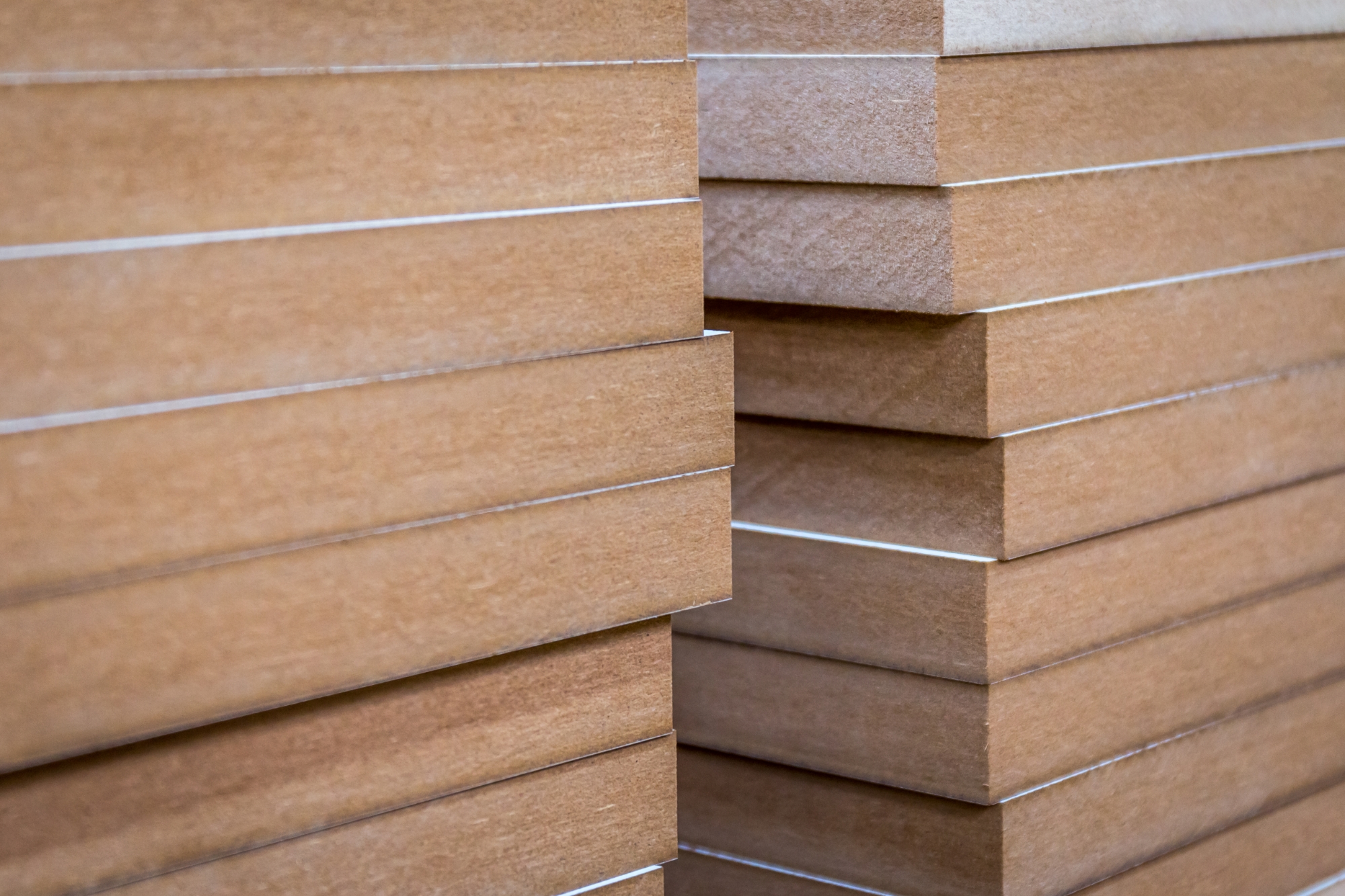
Composite Panels are one of the greenest building materials available. Made primarily from recycled wood fiber, composite panels refer to either Medium Density Fiberboard (MDF) or Particleboard. Both cores are used for Thermally Fused Laminates (TFL), natural veneer, or High Pressure Laminate (HPL) panel products. The flexibility, durability, and availability of Composite Panels are what make MDF and Particleboard so dependable and prevalent. To ensure longevity and environmental compliance, the North American Composite Panel industry adheres to rigorous sustainability standards—responsibly managing forests, supporting biodiversity, and mitigating climate change.
MDF:
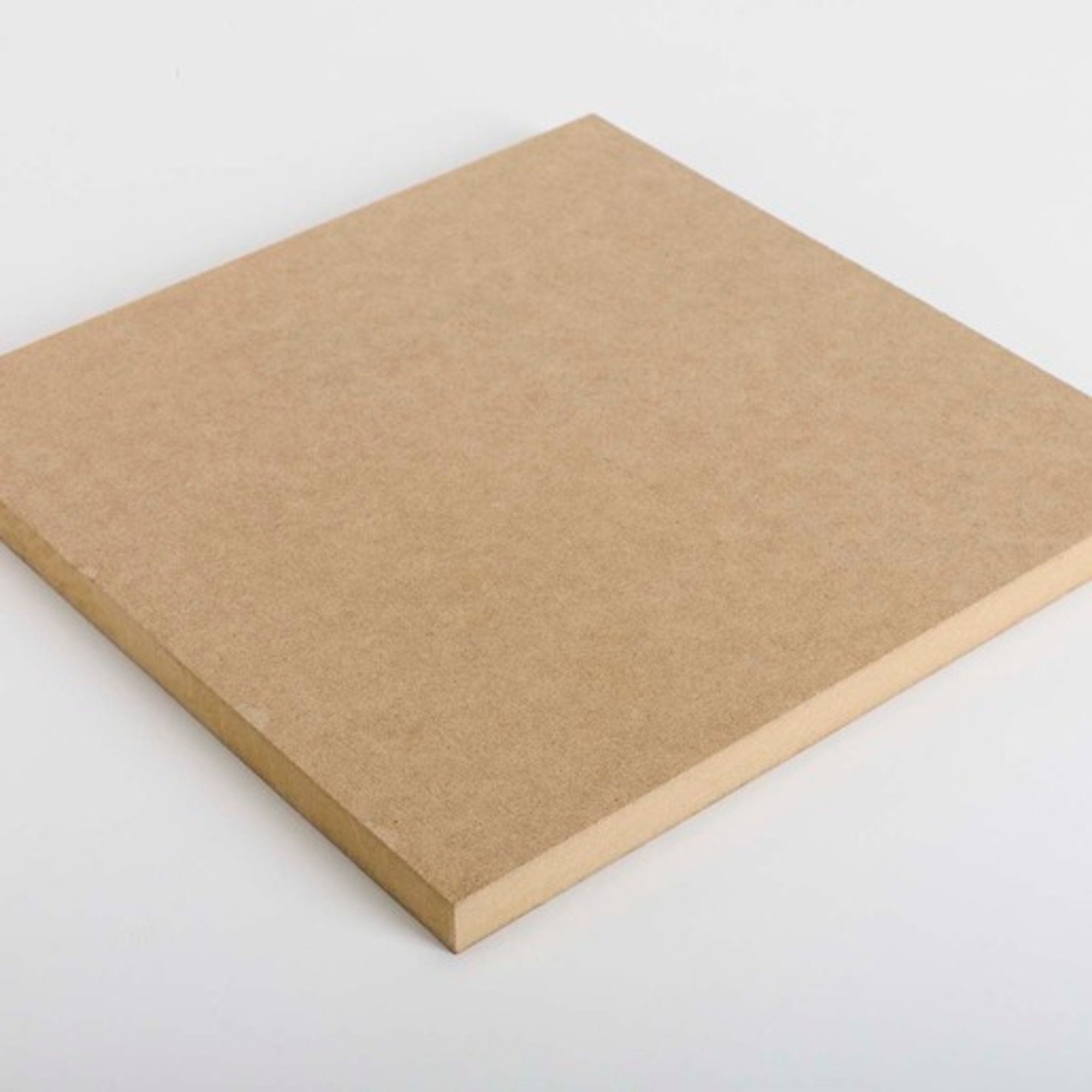
MDF is made of medium density wood fibers which are combined with resin at a high temperature and pressure to make a solid fiberboard which is dense, smooth, and easy to machine.
MDF is often used in the residential construction of homes and cabinetry and is the choice for interiors where smooth surfaces and intricate machining are essential. MDF can be found in doors and millwork, laminate flooring, kitchen cabinets, moulding and furniture.
Sustainability features of MDF
- Made of wood waste materials like wood fibers
- Often made from 100% recycled wood content
- NAF/ULEF Available
- TSCA Title VI Compliant Available
- FSC® Available
Particleboard:
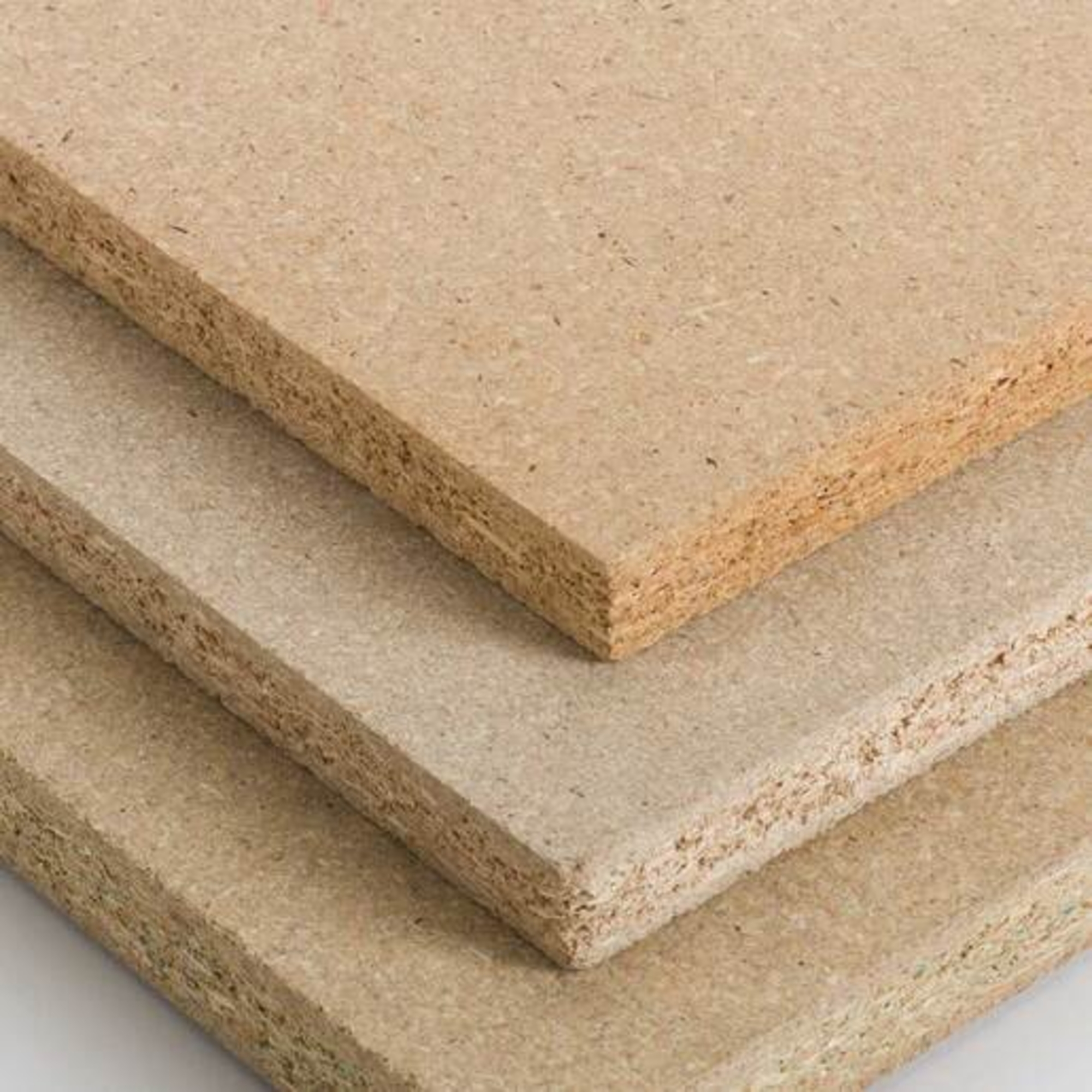
Particleboard is made from wood chips, flakes, and/or fibers combined with adhesives and heat and then pressed into sheets. The sheets are cooled and hardened before being cut and sanded into panels. The organic wood materials used to make Particleboard is usually sourced from recycled products or wood waste. Particleboard is generally lighter and more cost-effective than MDF and more cost-effective.
Particleboard is often used in countertops, door cores, cabinets, stair treads, furniture, shelving and closets, and many other interior applications.
Sustainability features of Particleboard
- Made of waste wood materials like wood chips, sawdust, or wood shavings
- Often made from 100% recycled wood content
- NAF/ULEF Available
- TSCA Title VI Compliant Available
- FSC® Available
Composite Panels significantly outperform alternative building materials like steel, cement, plastic and glass in environmental impact. They’re truly sustainable to the core.